
2026-09-15
Nural Choudhury
Design system methodology is the order in which you build a design system and the process you use to adopt it, distinct from what the system contains or how its code is structured.
Design systems covers what a system is and Atomic Design; Design systems architecture covers the token hierarchy, component APIs and repository strategy underneath it. This page covers the sequence of work and the adoption problem, the gap neither of those pages closes.
a system that the teams it was built for genuinely use, because you treated adoption as the thing the method produces rather than something that follows automatically once the components exist.
once an organisation has agreed to build a design system and needs an order of operations, from that decision through to the point the system has a permanent owner.
a design system is a socio-technical system, and its failure is nearly always social rather than technical. Build it with the teams who will use it, not for them, before you build anything else.
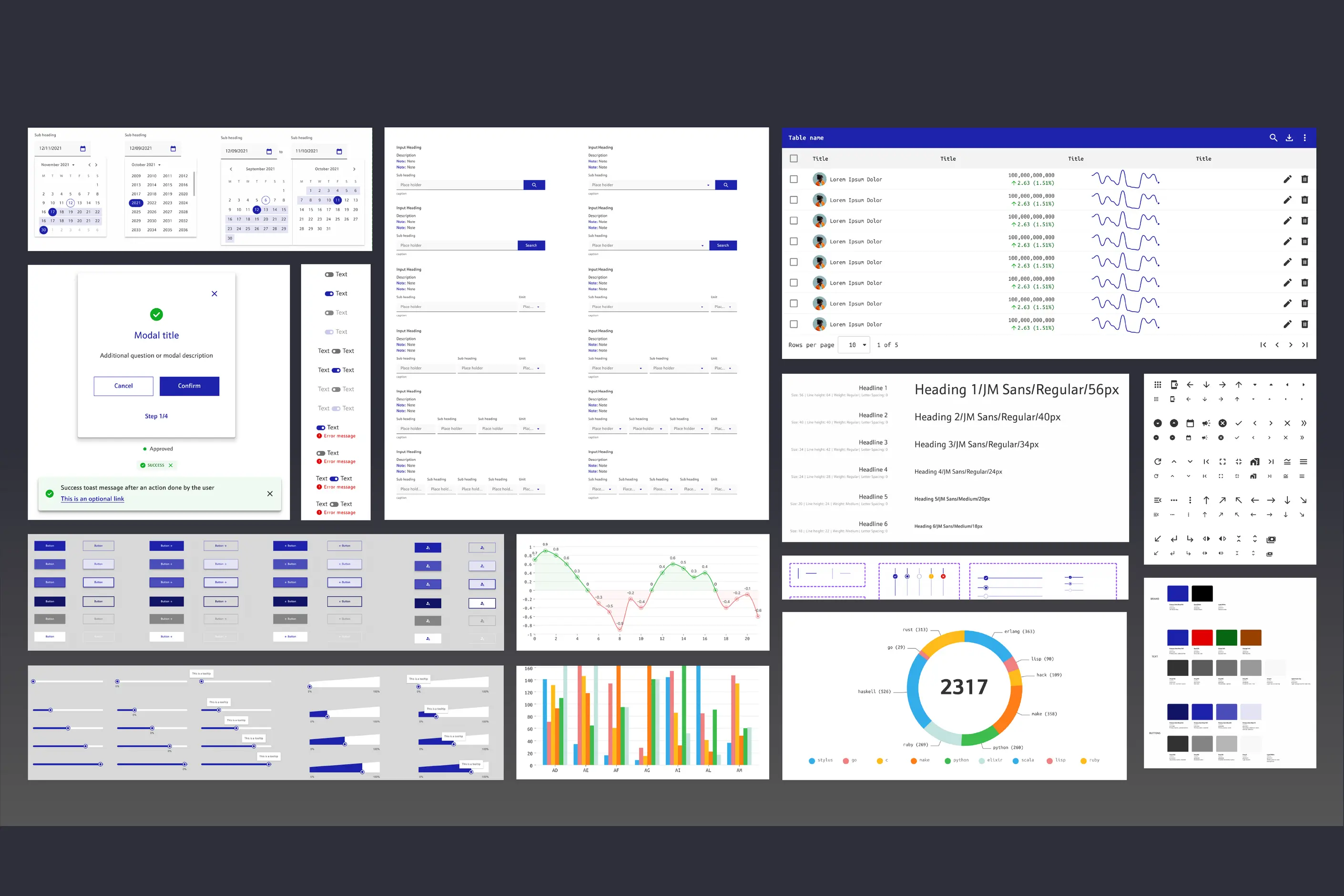
A mature design system has five interconnected layers, and the methodology question is the order you build them in and who owns each once it exists.
| Layer | What it holds | What goes wrong when it is missing |
|---|---|---|
| Purpose and principles | The system’s goals and the design philosophy it enforces, stated plainly enough to settle an argument | Every component decision becomes a fresh debate, because there is no shared standard to appeal to |
| Brand identity and style guide | The tangible brand assets and the rules for applying them: colour, typography, spacing, iconography | Components exist without a coherent visual language, so the system looks assembled rather than designed |
| Component library | The coded, reusable UI elements: buttons, fields, modals, the tangible building blocks | Teams keep building their own versions of the same element, and the system has nothing to offer them |
| Pattern library | Reusable solutions to common problems, composed from multiple components, such as a login form | Every team solves the same recurring problem separately, and the solutions drift apart over time |
| Documentation and governance | How to use the system, when and why to use a given component, and how the system itself is maintained | Adoption stalls, because nobody outside the system team can use it correctly without asking someone |
A widely used method for structuring the component and pattern layers is Atomic Design, credited to Brad Frost, which Design Systems explains in full. I am not restating it here because the vocabulary is not the hard part of this work. The hard part is everything the vocabulary does not tell you: which layer to build first, and how to get five layers adopted by people who did not ask for any of them.
A design system’s success is not purely technical, and its failure is usually social rather than technical. The most common reason a system fails is a lack of adoption by the product teams it was meant to serve, and that almost always traces back to the same cause: the system was built in isolation, without understanding the actual workflows and needs of the designers and developers who were supposed to use it.
This is the argument the methodology exists to answer. A technically correct component library, built to a high standard, still fails if the people it was built for were not part of building it. The system has to include social components alongside the technical ones: a governance model, an accessible way to contribute, and a way for the teams using it to feed back into what it becomes.
Treating the system as a living product, with an owner and a roadmap rather than a one-off deliverable, is what keeps those social components functioning after launch. A system with no one accountable for its next version is a system nobody has a reason to keep using over the workaround they already know.
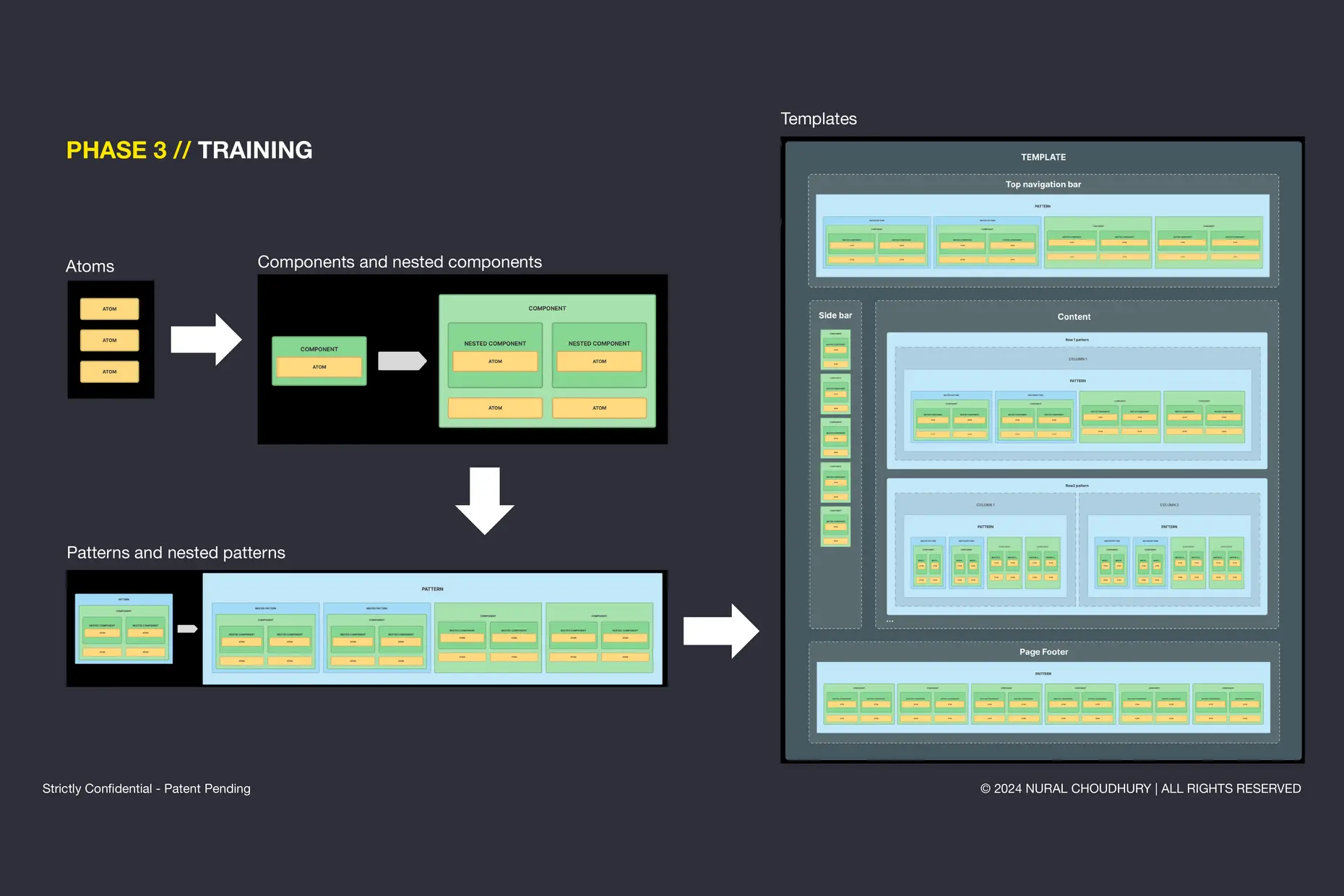
Sequence the five layers in the order above. Don’t start with the component library, because a component built before the principles and brand layer exists gets rebuilt once those layers arrive and start contradicting what you shipped early.
You must involve the teams who will use the system before you design a single component for them. Sit with two or three teams and watch how they build interfaces today, not how the process document says they build them. The gap between the two is where your system either fits or does not.
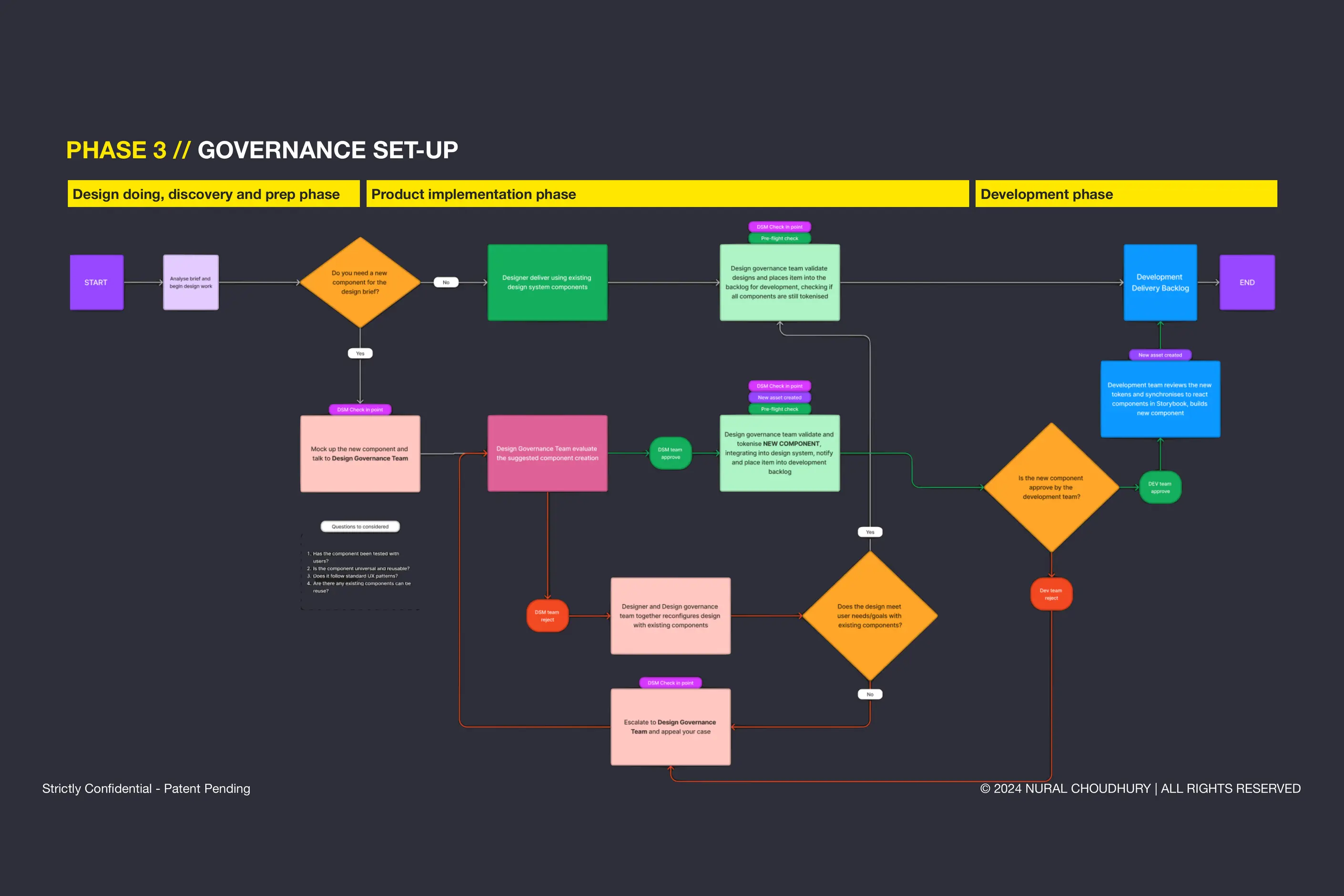
You must choose a governance model and name an owner before launch, not after. Design systems covers the centralised, federated and hybrid models in detail; pick one deliberately rather than letting ownership default to whichever team happened to build the first version.
You must launch with a pilot, not a mandate. Run the system with one willing team first, and fix what breaks against real production work before asking a second team to adopt it. A mandate handed to teams who weren’t part of building the system reads as an instruction, and an instruction competes poorly with a workflow people already trust.
You must keep the contribution path lighter than it feels safe to make it. A review process that catches every error also stops every contribution, and a system nobody can add to stops growing the moment the founding team moves on to something else. Design team alignment covers the organisational side of getting multiple teams behind one system; this page stops at the method, because keeping people aligned once the system exists is a distinct and ongoing job.
A team of three designers and two engineers is asked to build a design system for an organisation running four product teams, each with its own component conventions. The instinct is to start building the component library immediately, because that is the visible, demoable output.
Instead, they spend the first two weeks with each of the four teams, cataloguing what already exists and where the four teams’ conventions genuinely diverge versus where they merely look different by accident. They write the purpose and principles layer from what they find, not from a workshop held without the teams in the room.
They build the brand and token layer next, then the smallest, most contested component, a button, and take it back to all four teams before building the next one. One team objects that the button’s disabled state does not match a pattern their product depends on; that objection changes the component before it ships everywhere else.
They launch with one team, the one that helped shape the button, running the system in production for a month before the second team adopts it. By the time all four teams are on the system, the governance model, a small core team reviewing contributions from all four, already exists, because it was agreed during the pilot rather than invented under pressure once contributions started arriving.
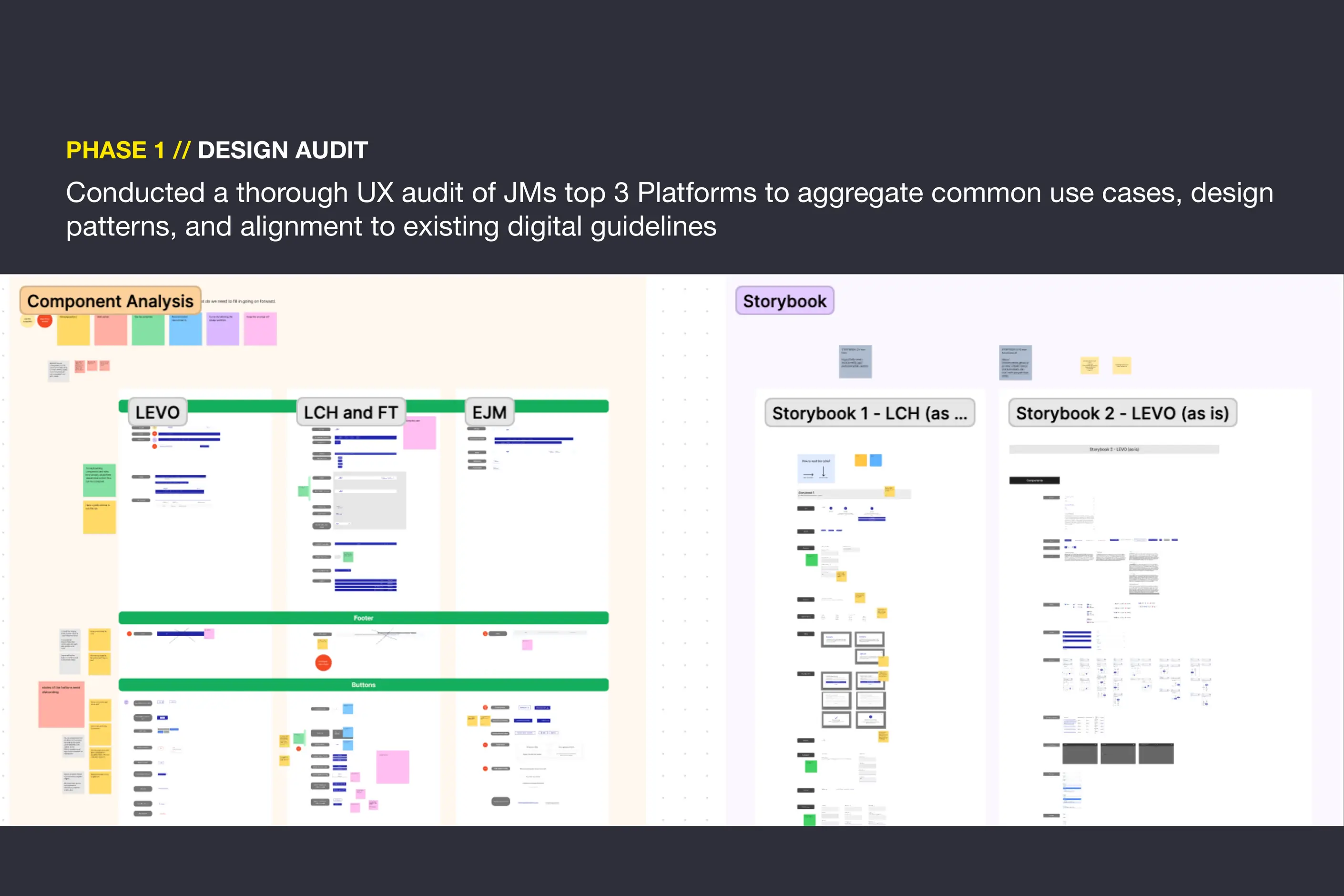
I have watched design systems fail in the same four ways, and each is a methodology failure rather than a component quality failure.
A system built in isolation from the teams meant to use it arrives as an instruction, not a tool. The components may be well made, but they don’t solve the actual problems those teams have, because nobody who understood those problems was in the room when the system was designed.
Adoption assumed rather than earned is the second failure, and it usually follows the first. A system team ships the library, announces it, and expects teams to switch, without making the approved path faster or easier than the workaround those teams already trust. Teams do not adopt a system because it exists; they adopt it because it beats the alternative.
A contribution process so heavy that nobody uses it is the third failure, and it comes from good intentions. A review gate meant to protect quality, if it takes weeks and multiple approvals for a small addition, teaches contributors the system is not theirs to extend, so they stop trying and build around it instead.
A system with no owner once the launch project ends is the fourth, and the quietest. The team that built it moves on, nobody is accountable for the next version, and the system freezes at whatever state it was in on launch day while the product it serves keeps changing underneath it.
no. Atomic Design is a vocabulary for organising components and patterns, covered in Design Systems. Methodology is the sequence you build those layers in and the process you use to get them adopted, which Atomic Design does not address.
Which layer should a small team build first? Purpose and principles, even in a short, informal form. A team that skips straight to components ends up rebuilding them once a principle they never agreed on becomes a point of contention.
long enough for the pilot team to hit real production edge cases, not a fixed number of weeks. A pilot that ends before it hits an awkward case teaches the system team nothing they couldn’t have guessed.
What happens if a system launches without a named owner? It degrades. Documentation goes stale, contributions pile up unreviewed, and teams quietly stop trusting a system nobody is visibly maintaining. Naming an owner before launch is cheaper than recovering trust afterwards.
| Item | Where it stands |
|---|---|
| Five layers | Purpose and principles, brand identity and style guide, component library, pattern library, and documentation and governance |
| Atomic Design | Credited to Brad Frost; the vocabulary and hierarchy are covered on Design systems, not repeated here |
| Most common cause of failure | Lack of adoption by the teams the system was meant to serve, usually because it was built in isolation from their real workflows |
| Technical infrastructure | Token hierarchy, component APIs, and repository strategy are covered on Design systems architecture, not repeated here |

A design system is a governed set of reusable components, patterns and rules that a team uses to build consistent digital products at scale, and it is neither a static style guide nor a component library on its own.
Read it
Design systems architecture is the set of structural decisions that let a design system keep working as an organisation grows: how tokens layer, how components are organised and configured, and how the code that implements them is housed, built, and shipped.
Read it
Design documentation earns its keep when it removes a decision from a developer’s inbox, not when it is complete.
Read it
A team isn’t misaligned because it lacks a vision; it is misaligned because the cadence that surfaces disagreement before it hardens doesn’t exist.
Read it