
2026-09-15
Nural Choudhury
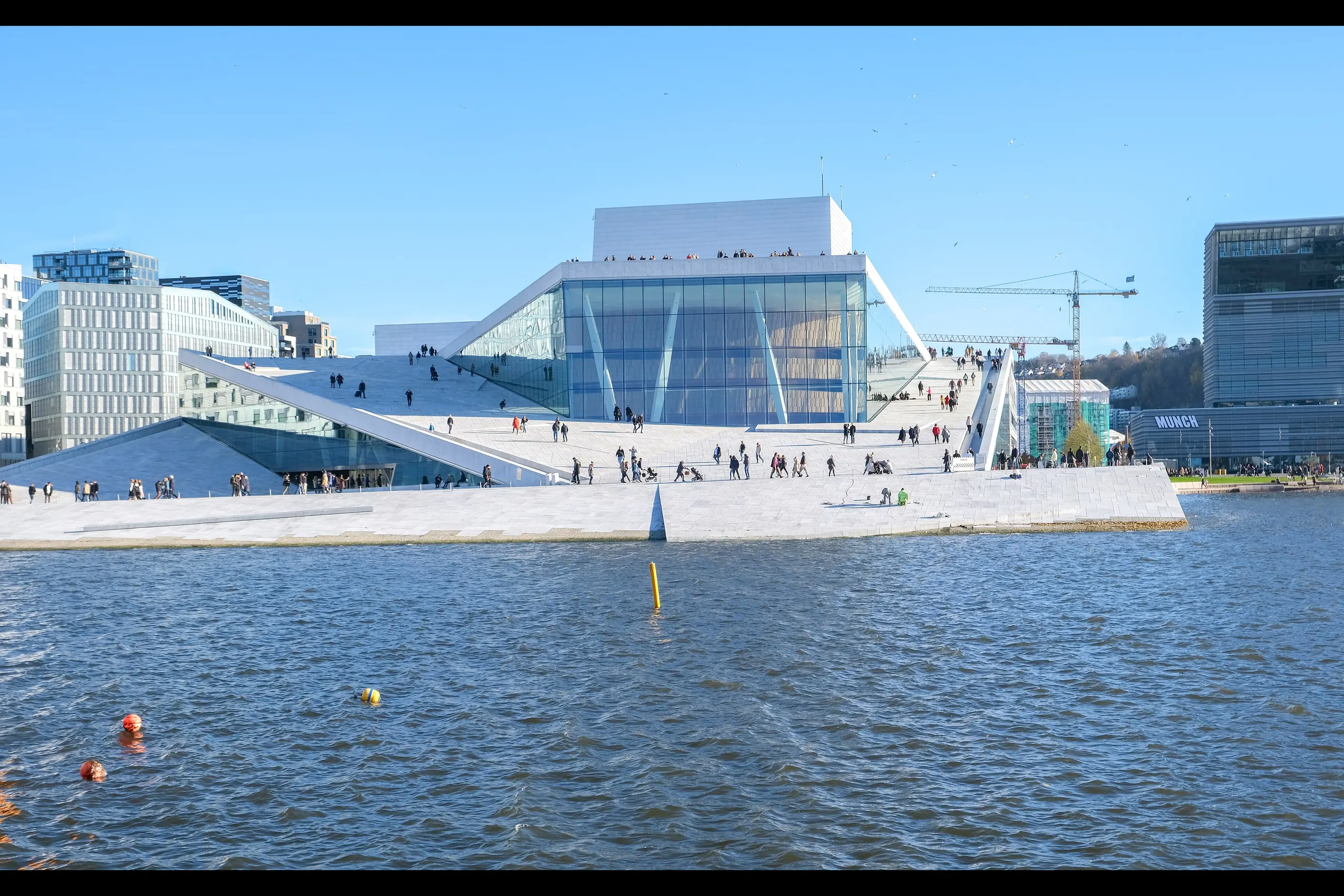
Scandinavian design is a modernist design philosophy that developed across Denmark, Sweden, Norway, Finland, and Iceland from the early twentieth century, based on the idea that good design is a public good, not a private luxury.
Mid-century modern names a period, roughly 1945 to 1965, in which American industry absorbed Nordic craft into a wider synthesis; Scandinavian design is the source tradition, still practised on its own political terms, and it predates that period and has outlasted it. The distinguishing claim is not the pale wood or the pared-back form. It is the argument that beautiful, functional objects belong in every home, not only the wealthiest ones.
Strictly, “Scandinavia” names Denmark, Norway and Sweden, while “Nordic” adds Finland and Iceland. Design writing, including the record drawn on here, uses “Scandinavian design” to cover the whole group, and the same usage follows here while naming the countries separately wherever the source does.
a pale palette of warm whites, warm greys and light wood tones (birch, beech, ash, oak), with colour used sparingly as accent rather than base; wood, leather and wool left honest, showing grain, patina and weave rather than disguised; furniture that appears to float, raised on slender legs that reveal the floor beneath; organic curves softening an otherwise geometric frame; and rooms kept uncluttered, with light maximised through large windows and minimal window treatment.
Denmark, Sweden, Norway, Finland and Iceland, from the early twentieth century, as Nordic designers adapted continental modernism to craft traditions, welfare-state politics and long, dark winters.
interiors, furniture, and products where affordability, durability, and warmth need to coexist with modernist clarity, and identities that read as considered rather than austere.
Scandinavian design emerged in the early twentieth century as the five Nordic countries developed their own response to modernist ideas arriving from continental Europe. Where German Bauhaus modernism emphasised industrial production and often austere geometry, Nordic designers combined modernist principles with existing craft traditions and a stated concern for human comfort.
The Swedish concept of “vackrare vardagsvara” (“more beautiful everyday things”), articulated by Ellen Key and Gregor Paulsson in the early 1900s, set the philosophical terms. Good design should improve ordinary life for ordinary people, and beautiful objects should be affordable rather than reserved for wealthy collectors. This democratic premise shaped the tradition’s development differently from modernism elsewhere. Where Bauhaus designers sometimes accepted a loss of comfort for formal purity, Nordic designers argued that function included emotional and psychological function, so a chair should not merely support a body but offer comfort and pleasure.
The Stockholm Exhibition of 1930 introduced functionalism to Nordic audiences, in a form already softer and warmer than its German counterpart. Danish designers developed what became known as Danish Modern, furniture pairing modernist simplicity with precise cabinetmaking and close attention to ergonomics. Nordic countries also retained stronger craft traditions through industrialisation than many other parts of Europe, so when Nordic designers adopted modernist principles, they brought that craft sensibility with them: visible joinery, materials left honest rather than disguised, and attention to detail in mass-produced objects as well as one-off pieces. The social democratic political systems that developed across the Nordic countries through the twentieth century reinforced the same premise institutionally, through design schools, government promotion and manufacturers pursuing affordable quality.
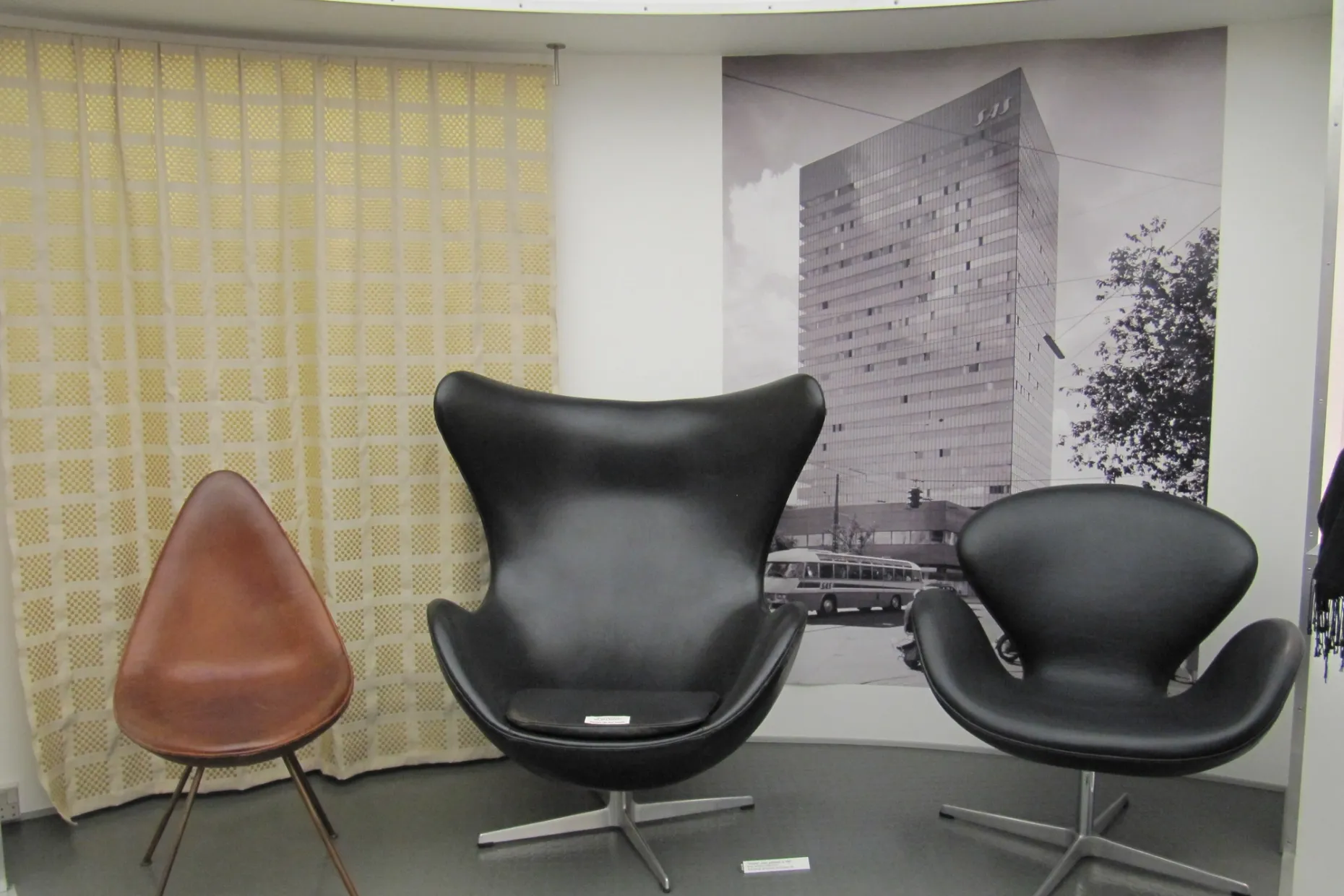
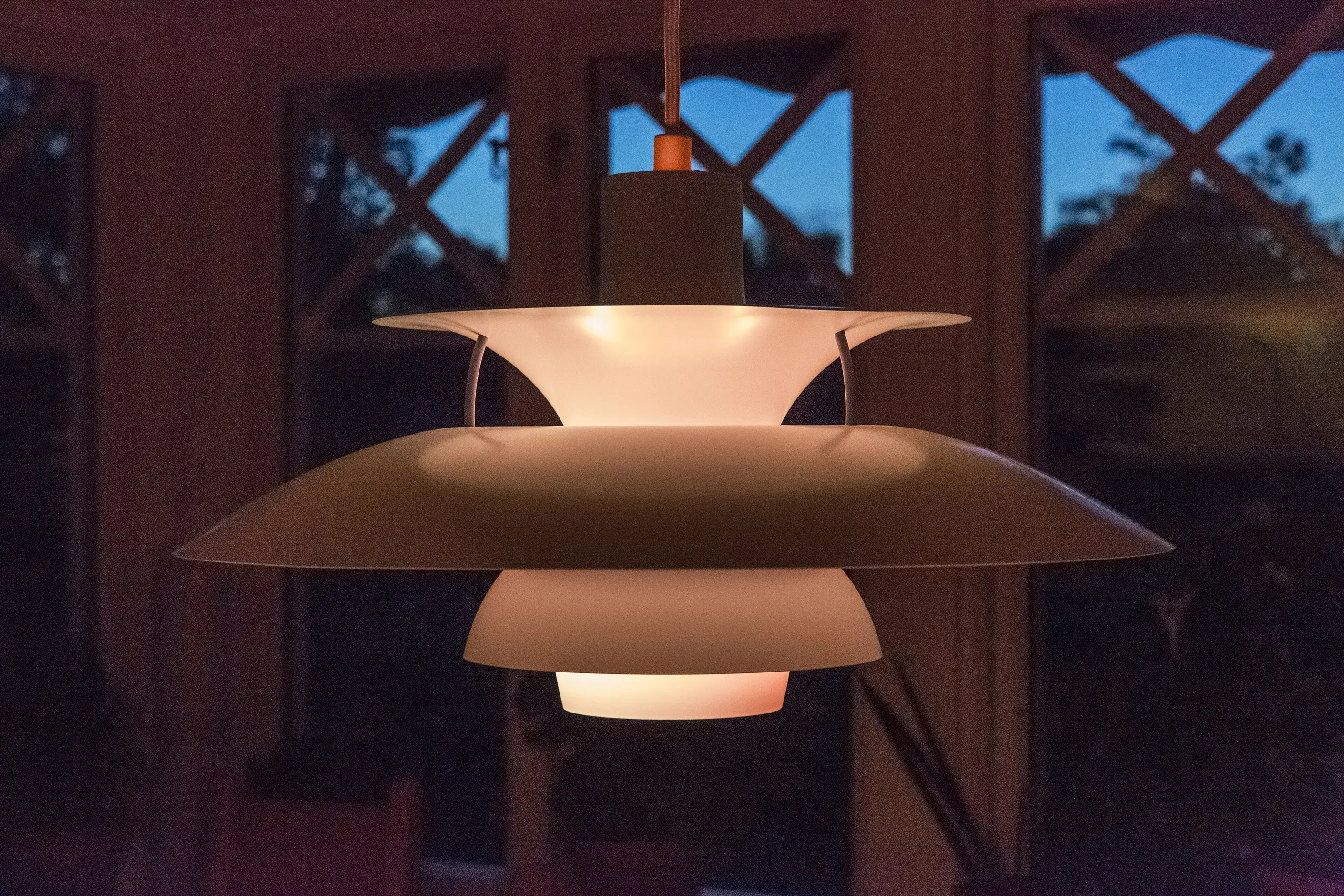
The design record here concentrates most heavily in Denmark, Finland and Sweden. Denmark’s cabinetmaking tradition produced Hans Wegner, who designed more than five hundred chairs in pursuit of what he called the continuous refinement of the wooden chair; Interiors magazine described his Round Chair, often called “The Chair”, as the world’s most beautiful chair. Arne Jacobsen worked across architecture and furniture, and his Egg Chair and Swan Chair achieved organic forms through moulded fibreglass shells on aluminium bases. Finn Juhl separated frame and seat so that elements appeared to float independently, and Poul Henningsen’s PH Lamp series, begun in 1924, used multiple shades to direct light downward while shielding the source, a systematic study of how light affects wellbeing.
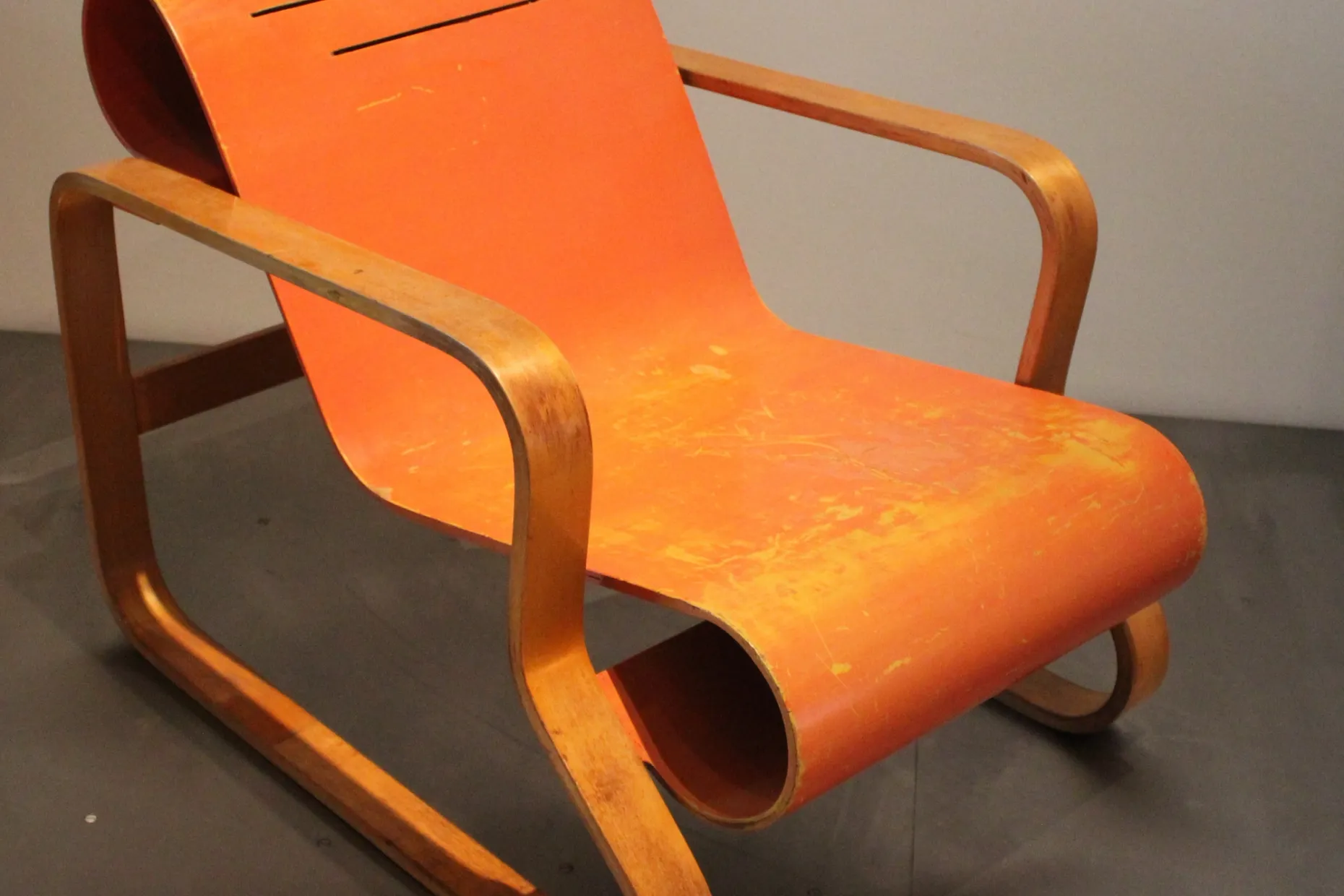
Finnish design ran more sculptural and organic. Alvar Aalto’s bent plywood technique produced curves impossible with traditional joinery; his Paimio Chair and Stool 60 remain in production nearly a century later, and buildings including the Paimio Sanatorium and Finlandia Hall show the same principle applied to architecture. Aino Aalto, his wife and partner, designed the Bölgeblick glassware for Iittala, still a Finnish design icon. Marimekko, founded in 1951, brought bold, large-scale prints by designers including Maija Isola to textiles and fashion, a joyful counterpoint to the restraint found elsewhere in the tradition.
Swedish design pushed the link between industrial production and democratic access hardest. Bruno Mathsson developed bentwood techniques that let ergonomically sophisticated chairs be produced at industrial scale, and Ingvar Kamprad founded IKEA in 1943, whose flat-pack shipping and customer assembly reduced cost while preserving the design. IKEA remains the tradition’s most visible global expression of the democratic argument that opened this section.
| Element | What this style does | The tell |
|---|---|---|
| Colour | Whites, greys and natural wood tones as the base palette, with stronger colour (muted blue, soft green) used only as accent | Whites read warm and creamy rather than stark; greys lean warm rather than cool |
| Materials | Wood, leather, wool and linen presented honestly: grain visible, patina allowed, weave unhidden | Light woods (birch, beech, ash, oak) rather than dark walnut or mahogany |
| Form and structure | Geometric clarity softened by organic curves; gentle radii rather than sharp corners | Furniture that appears to grow from the floor rather than sit heavily on it |
| Composition | Furniture raised on slender legs, using minimal material for the structural job it does | Chairs and tables that visibly float, with floor showing beneath |
| Function and ornament | Objects communicate their use rather than disguising it; ornament is rare and rarely applied | Function read as including comfort and pleasure, not only mechanical operation |
| Neighbour | What it shares | What separates them |
|---|---|---|
| Mid-century modern design | Warm woods, organic curves softening geometric structure, and several of the same names, since Wegner, Jacobsen and the Aaltos appear in both | Scandinavian design is the source tradition, still practised on its own political terms in Denmark, Sweden and Finland; mid-century modern is the American-led synthesis of roughly 1945 to 1965 that absorbed it alongside Bauhaus rigour, without the welfare-state premise as a defining feature |
| Japanese design philosophy | Both get flattened to “minimalist” in popular use, and neither is | Japanese restraint rests on an aesthetic and philosophical tradition concerned with imperfection and the deliberate use of space; Scandinavian restraint rests on a political and economic argument about affordability and resource scarcity, expressed through pale colour and craft-informed mass production rather than asymmetry or void |
| Farmhouse and cottagecore aesthetics | Natural materials, muted palettes and a rejection of ostentation | Farmhouse and cottagecore build meaning from visible age, patina and accumulated, mismatched objects gathered over time; Scandinavian design favours clean, unified pieces that read as new and well made, ageing gracefully rather than being deliberately distressed, and its meaning comes from an industrial, urban, welfare-state argument rather than a rural one |
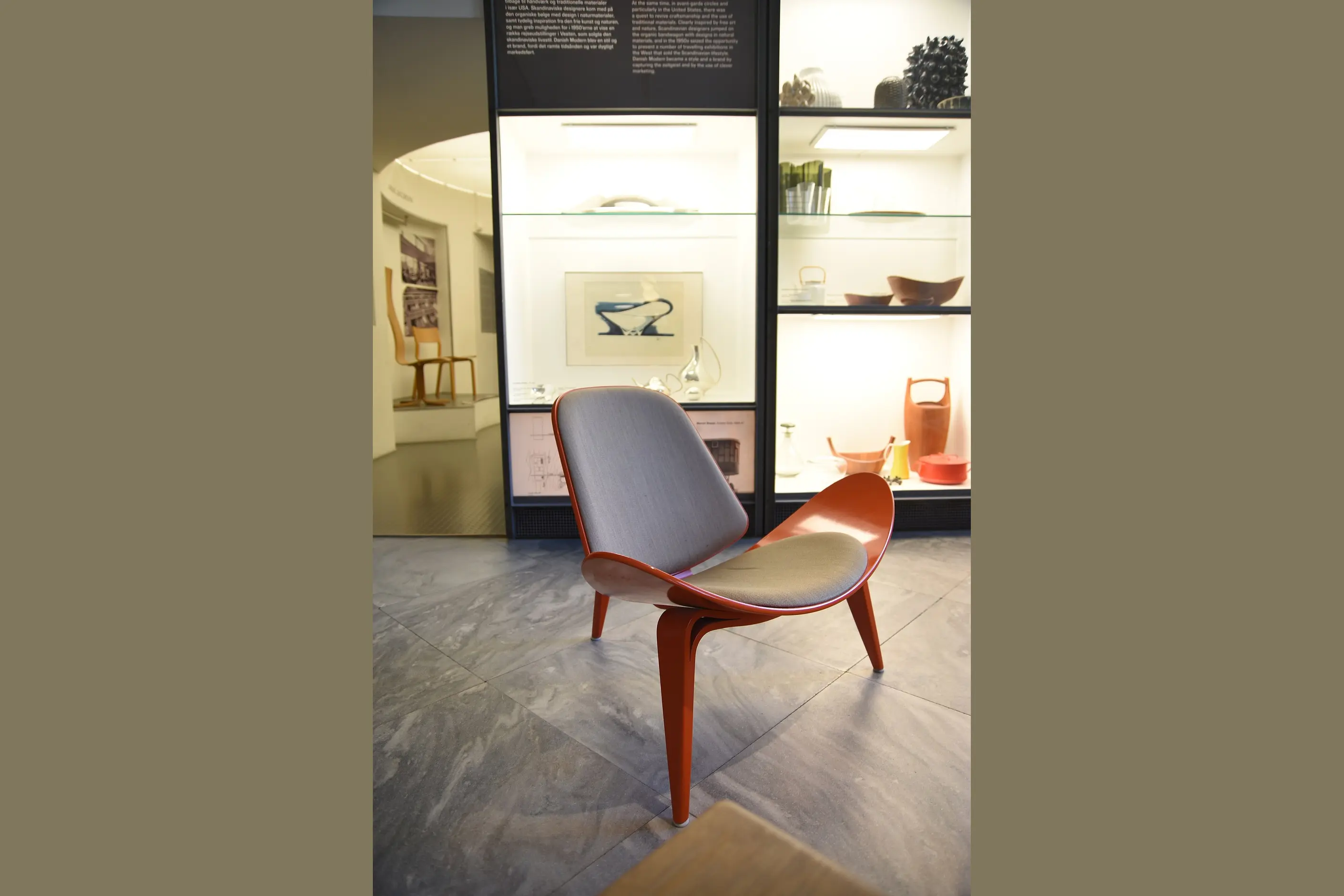
Set the pale, light-reflecting palette before choosing any single object. It must do real work in a room, not sit as decoration: whites and greys that lean warm, and wood left in its natural tone, so the space reflects rather than absorbs light.
Choose materials for how they will look when used, not how they look new. Wood must show grain, leather must be left to develop patina, and textiles must show their weave. Balance every geometric structure against at least one organic curve, and elevate furniture on visible legs to keep the room feeling larger than its footprint.
Cut before you add. Ask what you can remove and what is genuinely necessary, in the spirit of lagom, rather than adding until a space looks finished. Attend to how a room feels to occupy, not only how it photographs: lighting quality, material texture and acoustic properties all decide whether a space supports hygge or merely looks like it does in an image.
Treat pale wood and a candle as a starting inventory, never a finished style. Without the underlying argument about affordability and durability, those elements are decoration borrowed from a tradition that was never primarily about decoration.
The clearest failure mode is exactly the one argued against above: “Scandi” used as marketing shorthand for any pale-wood, minimal product, with the democratic-accessibility argument that gave the palette its point quietly dropped. A reference to Scandinavian design engages that argument, asking whether an object is genuinely affordable, durable and well made; a costume borrows the pale wood and the knit throw and stops there. That is the specific extractive move here: not costuming a sacred form, but stripping a political tradition down to a lifestyle look and reselling only the surface.
Hygge suffered a related fate. It became an international lifestyle trend in the mid-2010s, and the commercialisation that followed- candles and blankets marketed under the word- sometimes trivialised a concept that describes an atmosphere, not a product category.
The tradition also carries a genuine internal tension. Its founding claim rests on durability and efficient use of materials. Yet, its most visible global expression is mass-market flat-pack furniture built to a price point, which strains against that same claim when goods are cheap enough to discard rather than repair. And the tradition’s global reach raises a real, unresolved question about translation: Scandinavian design answers specific Nordic conditions, long winters, scarce resources, a particular welfare-state politics, and it is not established that the same forms carry the same values when moved into a different climate and a different social system. The vocabulary travels more easily than the argument that produced it, and using the vocabulary without asking that question is how the style collapses into surface.

Is Scandinavian design the same as mid-century modern? No. Scandinavian design is a Nordic tradition with its own political premise, still practised in Denmark, Sweden and Finland today; mid-century modern is the American-led period, roughly 1945 to 1965, that absorbed Scandinavian craft alongside Bauhaus rigour.
What is the difference between hygge and lagom? Hygge is Danish and describes an atmosphere of warmth and togetherness that a designed space can foster. Lagom is Swedish and describes an amount, neither too much nor too little, so it governs restraint and editing rather than mood.
Which countries does “Scandinavian design” cover? Five: Denmark, Sweden, Norway, Finland and Iceland, though the documented design record concentrates most heavily in Denmark, Finland and Sweden.
Is IKEA representative of the tradition? It is the most visible global expression of the tradition’s democratic argument that affordable manufacturing should not mean sacrificing design quality. It is not the whole tradition, and its scale exposes the tension between affordability and durability that the tradition has always had to manage.
Can Scandinavian design principles work outside Nordic climates and cultures? The formal vocabulary, pale colour, honest materials, visual lightness, transfers readily. Whether the welfare-state values behind that vocabulary transfer with it is genuinely open; borrowing the look should be honest about which parts it uses.
| Fact | Detail |
|---|---|
| Origin | Early twentieth century, with the Stockholm Exhibition of 1930 marking Nordic functionalism’s public arrival |
| Region | Denmark, Sweden, Norway, Finland and Iceland |
| Founding concept | “Vackrare vardagsvara” (“more beautiful everyday things”), Ellen Key and Gregor Paulsson, early 1900s |
| Danish designers | Hans Wegner (Round Chair, “The Chair”), Arne Jacobsen (Egg Chair, Swan Chair), Finn Juhl, Poul Henningsen (PH Lamp series, from 1924) |
| Finnish designers | Alvar Aalto (Paimio Chair, Stool 60, Paimio Sanatorium, Finlandia Hall), Aino Aalto (Bölgeblick glassware for Iittala), Marimekko (founded 1951, prints by Maija Isola) |
| Swedish designers and firms | Bruno Mathsson, IKEA (Ingvar Kamprad, founded 1943) |
| Contemporary brands | HAY, Muuto, Menu, Normann Copenhagen |
| Cultural concepts | Hygge (Danish, cosiness and wellbeing), lagom (Swedish, the right amount) |
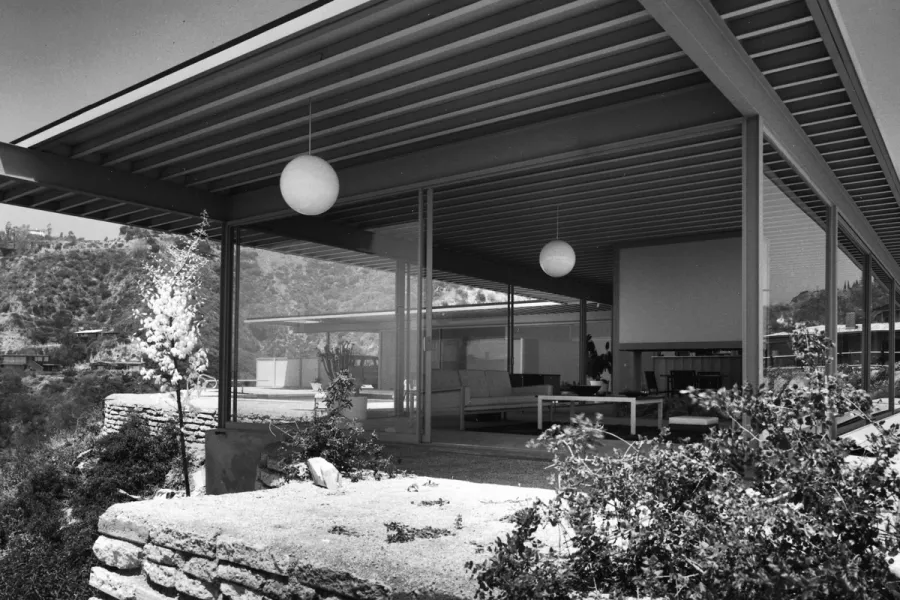
Mid-century modern design describes the wave of modernist furniture, architecture and graphic design that flourished across the United States and Scandinavia from roughly 1933 to 1965, when Bauhaus rigour met American industrial optimism and Scandinavian craft.
Read it
Japanese design philosophy names a group of aesthetic concepts, among them wabi-sabi, ma, kanso, shizen, and yugen, developed over centuries in Zen Buddhist and Shinto practice and applied to ceramics, gardens, architecture, and graphic design.
Read it
Farmhouse is an interior style with roots in real agricultural buildings: pre-industrial rural houses and working farm structures, revived for contemporary homes since the early 2010s.
Read it
The Bauhaus is a German school of art, craft and design that operated from 1919 to 1933.
Read it
Minimalism in design reduces a composition to the elements it cannot function without, so colour, form, type, and space each carry more weight because there is less to look at.
Read it
Biophilic design is the practice of bringing patterns of the natural world into architecture, interiors, and digital products: daylight, water, plants, natural materials, and spatial variety, because human beings evolved among those patterns and still respond to them.
Read it
Sustainable design in digital work means cutting the energy and hardware a product needs: lighter pages, fewer requests, longer device life, and honest measurement of the savings.
Read it