
2026-09-15
Nural Choudhury
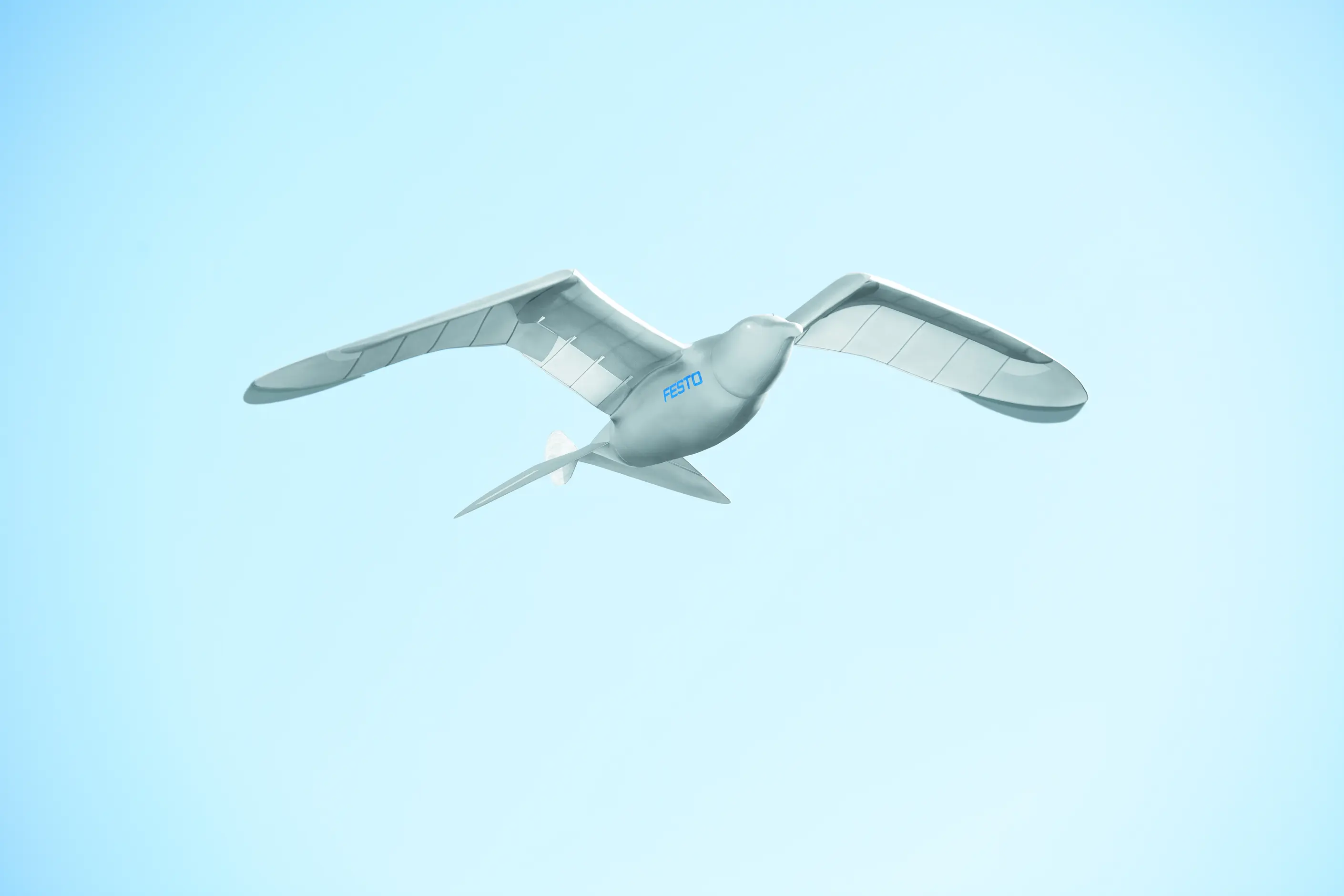
Biomimicry is the design practice of studying solutions refined by billions of years of biological evolution- honeycomb load distribution, termite-mound airflow, lotus-leaf self-cleaning- and applying the underlying mechanism, not the natural form, to problems in products, buildings, graphics, and systems.
It differs from biophilic design, its most commonly confused neighbour, which borrows nature’s presence for human wellbeing rather than nature’s engineering for function. A hexagon copied for its look is decoration; a hexagon copied for the packing problem it solves is biomimicry.
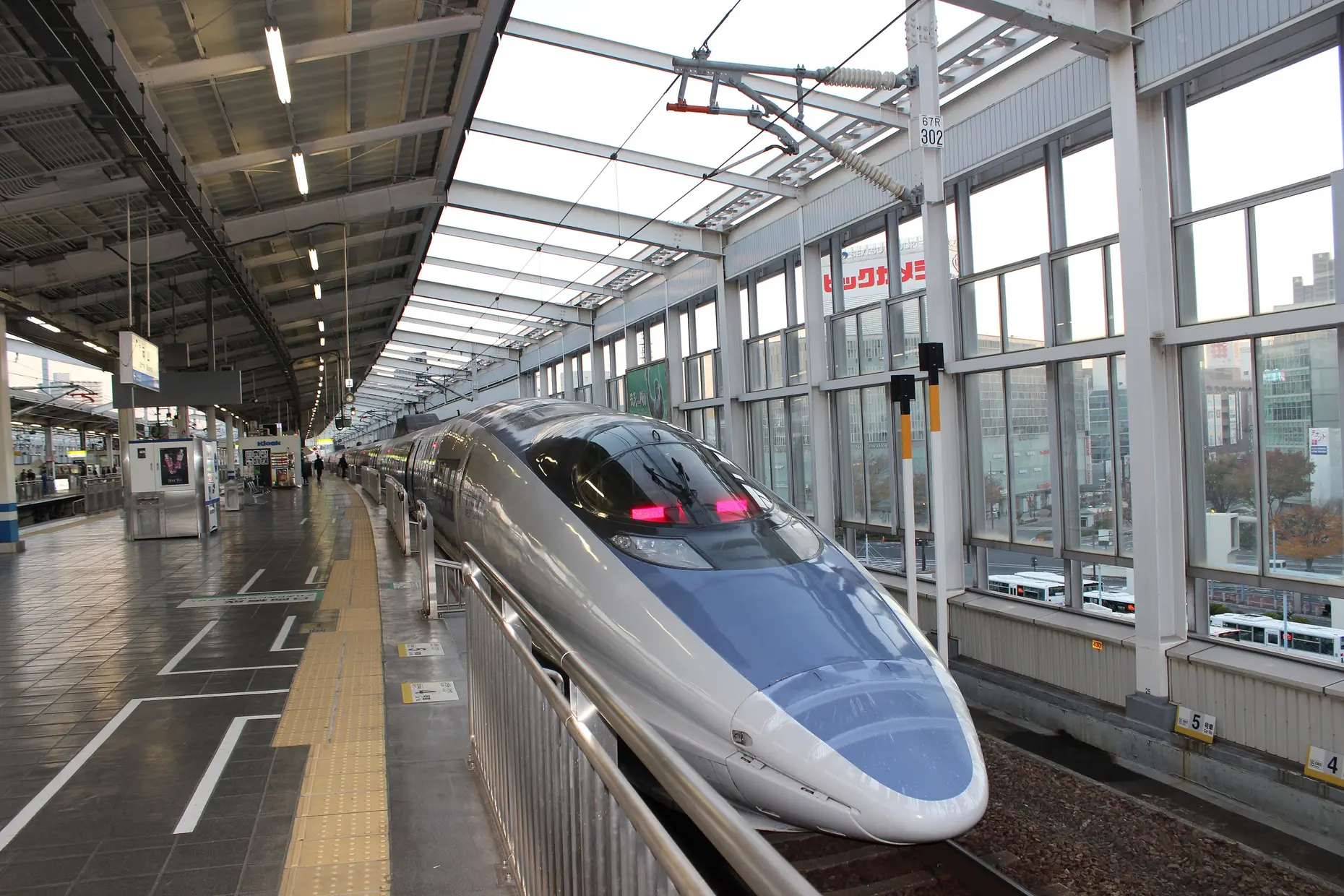
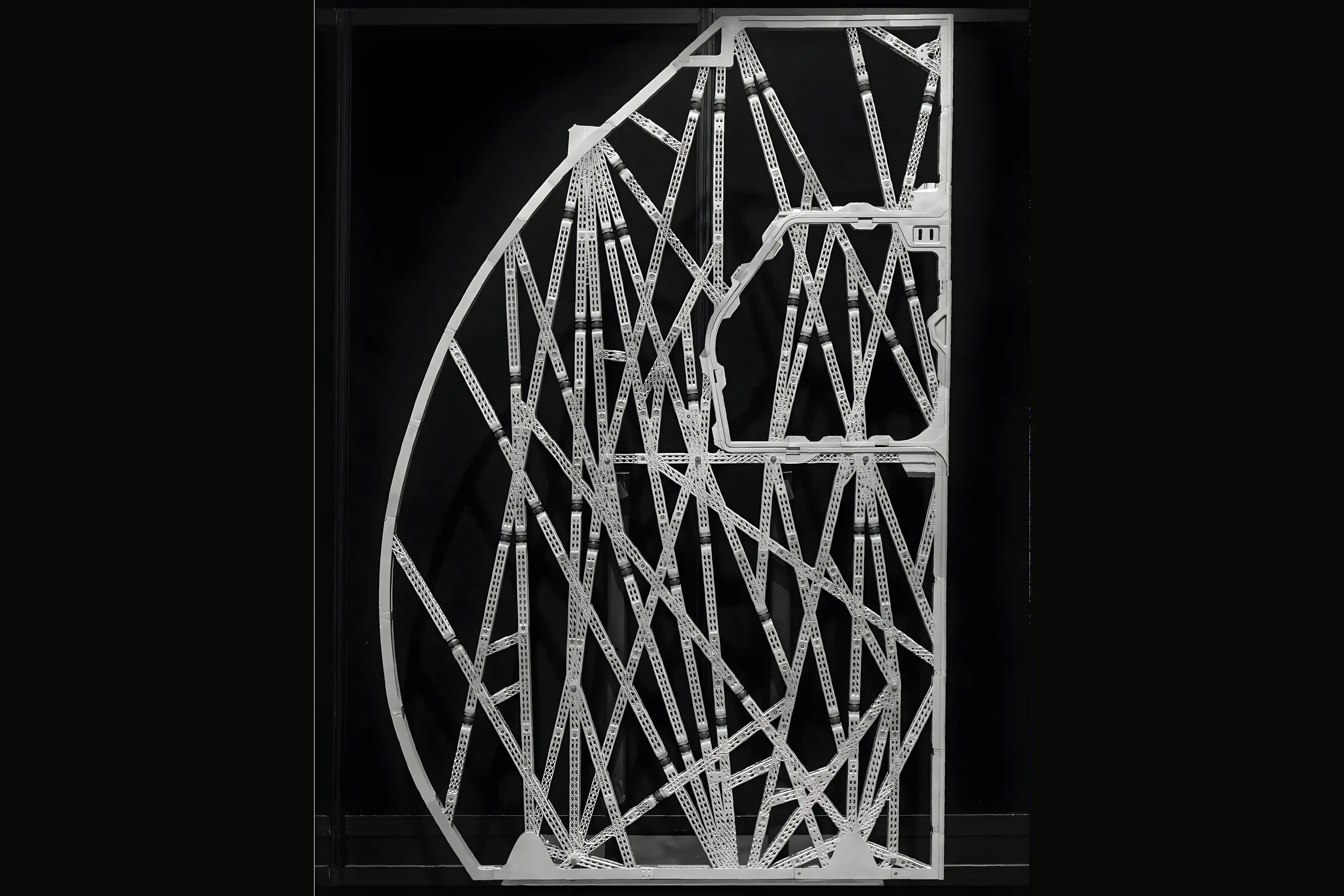
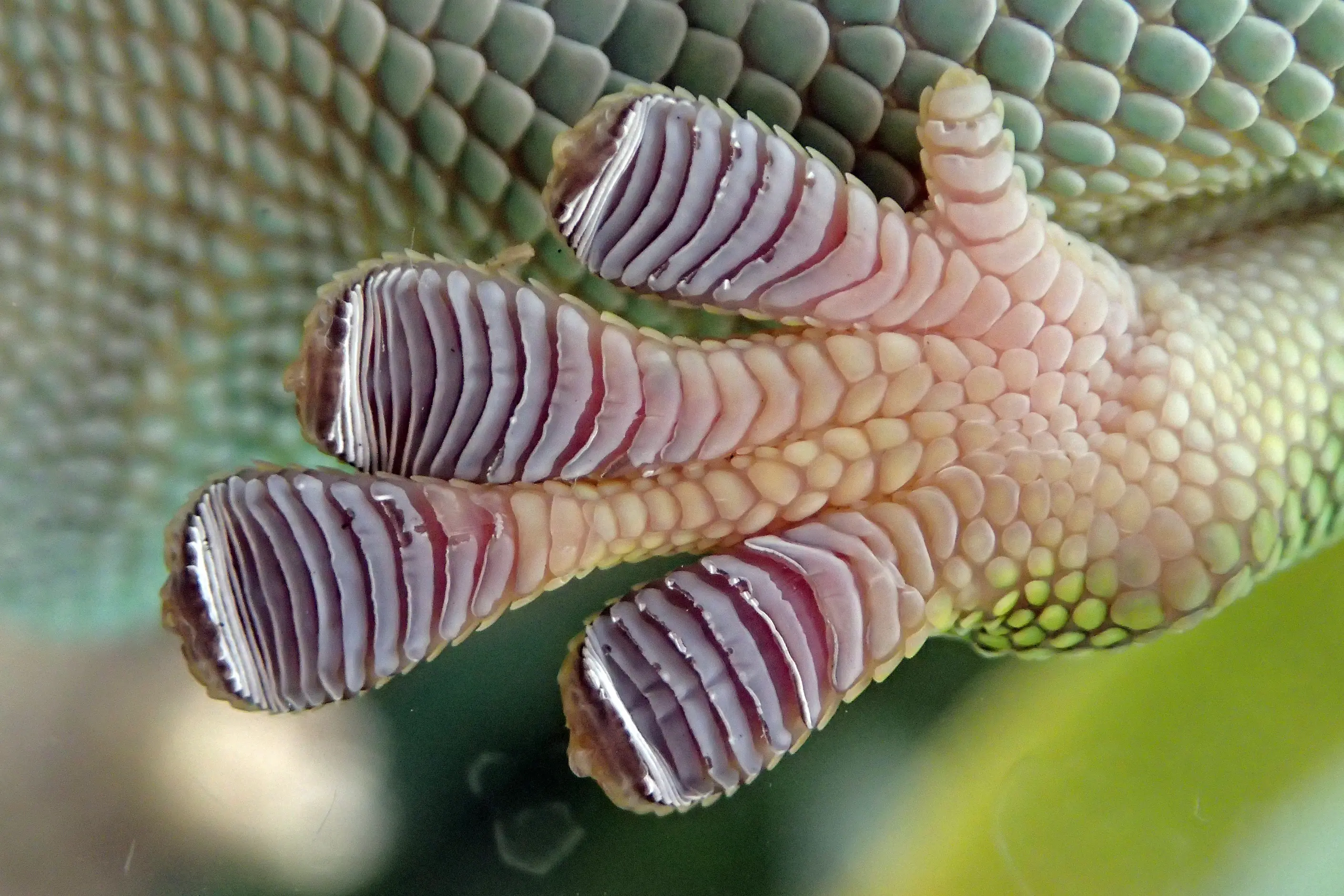
a stated mechanism behind the form, branching networks sized to a distribution problem, spiral growth that adds material without changing proportion, hexagonal tessellation that minimises material for a given area, gecko-style dry adhesion, lotus-effect microtextured surfaces that shed water and dirt, structural colour produced by light interference rather than pigment, passive ventilation modelled on termite-mound airflow. The tell is a named function underneath the natural reference, not an organic silhouette on its own.
Janine Benyus’s 1997 book Biomimicry: Innovation Inspired by Nature, which named and popularised the field; the consultancy Biomimicry 3.8; the Biomimicry Institute’s AskNature database that followed it; and early landmark buildings such as the Eastgate Centre in Harare, Zimbabwe.
structural efficiency problems, packaging, lattices, sandwich panels, passive climate control, adhesion and surface-function problems, and distribution or generative pattern systems, wherever a natural precedent solves a genuinely similar problem to the one on the brief.
Biomimicry combines the Greek bios, life, and mimesis, imitation. People have always learned informally from nature; ancient observation of bird flight informed early ideas about flying machines, and vernacular architecture adapted to local climate along broadly natural lines. What changed in the late twentieth century was formalisation into a repeatable design method.
Biologist Janine Benyus named and popularised the field in her 1997 book Biomimicry: Innovation Inspired by Nature. The book framed nature as model, measure, and mentor, not as a source of pictures to copy. Benyus co-founded the consultancy Biomimicry 3.8 in 1998 and the non-profit Biomimicry Institute in 2006, which runs the AskNature database, a repository of natural strategies organised by the function each one solves rather than by species.
The clearest early landmark is the Eastgate Centre in Harare, Zimbabwe, completed in 1996. Architect Mick Pearce worked with the engineering firm Arup to model the building’s passive ventilation on the airflow believed to regulate termite mounds, and the building has no conventional air conditioning. The architect’s own figures show 35 per cent less total energy than the average of six comparable, conventionally air-conditioned buildings in Harare. A widely repeated claim of 90 per cent energy savings is not that documented figure and should never be used.

Two supporting frameworks arrived on either side of Eastgate. Physiologist Cecil D. Murray proposed Murray’s Law in 1926; the law describes the optimal sizing of branching vessels for fluid transport, a relationship biomimetic design still draws on for distribution networks. William McDonough and Michael Braungart’s 2002 book Cradle to Cradle: Remaking the Way We Make Things formalised nature’s circular material flows into a design framework that separates technical nutrients from biological ones.
| Element | What this style does | The tell |
|---|---|---|
| Form and structure | Shapes load paths, distribution networks and enclosures on a natural structural logic: branching, spiral, honeycomb, shell, tensegrity | The form changes if the load or the flow changes; a branch narrows exactly where Murray’s Law predicts, not where it merely looks balanced |
| Surface and material | Solves a function at the microscale rather than applying a finish: lotus-effect microtexture, gecko-style dry adhesion, overlapping scale-like plates | The surface does something under inspection, sheds water, grips without glue, flexes without cracking, rather than reading as an organic finish alone |
| Colour | Rarely uses an applied pigment palette; where colour appears it is structural, produced by light interference in microscale surfaces, or systemic, tied to a signalling function | Iridescence that shifts with viewing angle, or the deliberate absence of applied colour altogether |
| Pattern and composition | Generates surface coverage and detail from a repeated rule rather than a fixed motif: Voronoi cellular division, fractal self-similarity, L-system branching | Every instance of the pattern differs, the way a leaf or a fingerprint does, because the rule runs again rather than the artwork being copied |
| System and process | Organises a whole system on self-organisation, feedback or circular material flow rather than central control or one-way consumption | The system keeps working, or improves, when a part fails or a material is recovered, rather than needing constant top-down management |
| Neighbour | What it shares | What separates them |
|---|---|---|
| Parametric design | Both frequently use rule-based, computational generation of form: L-systems, algorithms, parameter sweeps | Parametric design’s rules come from constraints the designer chooses, structural loads, site geometry, brand variables. Biomimetic design’s rules are extracted from an observed natural mechanism, so the same software is legitimate biomimicry only when it reproduces nature’s actual logic, not merely an organic-looking output |
| Biophilic design | Both draw on the same human affinity for the natural world and can use overlapping natural imagery | Biophilic design borrows nature’s presence, materials, light, plants, a view, to support occupant wellbeing. Biomimicry borrows nature’s engineering, a load path, an adhesion mechanism, a ventilation logic, to solve a technical problem, whether or not the result looks natural at all |
| Sacred geometry | Both can invoke the golden ratio, Fibonacci spirals, hexagonal or radial forms | Sacred geometry treats these proportions as symbolic or spiritual constants inherited from religious and esoteric tradition. Biomimicry treats the same forms as the outcome of evolutionary efficiency, and can claim the natural reading only where a source documents the biological function, not the numerology |
Start with the problem, not the picture. You must name the function you need- structural efficiency, self-cleaning, distribution, adhesion, passive cooling- before browsing nature for inspiration; browsing pictures first produces decoration.
Extract the principle before you draw the form. Ask why nature uses this shape, what constraint it solves, and check the answer against a source rather than assuming it from appearance alone.
You must state honestly whether a design is functionally biomimetic (the mechanism does the same job it does in nature) or aesthetically nature-inspired (it only looks organic). Never claim the first when only the second is true.

Check scale and material translation before you promise a result. A mechanism that works for a gecko’s foot or a termite colony does not automatically transfer to human dimensions, loads or materials, and some natural structures still exceed current manufacturing precision.
Reserve a decorative honeycomb or leaf motif for a brief that genuinely wants texture and warmth, and do not call it biomimicry when it solves no structural or functional problem. The pastiche risk here is a hexagon or spiral applied wherever a surface needs interest; if the shape isn’t tracking a packing, stress, or distribution problem, it is wallpaper wearing nature’s name.
Surface-only imitation is the style’s most common failure. A honeycomb texture on packaging or a brochure that solves no packing or stress problem borrows nature’s look while discarding the reason that look exists, and the result delivers neither innovation nor the efficiency it implies.
Aesthetic greenwashing is the sharper version of the same problem. Natural imagery implies environmental credentials the design has not earned, and even a genuine success story attracts inflation: Eastgate Centre’s real, documented saving is 35 per cent against comparable buildings, yet a false 90 per cent figure still circulates and should never be repeated.
Mismatched application is a second, quieter failure. Hexagons chosen for visual interest, where hexagonal packing efficiency has no bearing on the brief, are arbitrary decoration borrowing a functional style’s vocabulary.
The biology itself is not settled science, and claims should stay humble. Termite mounds were long believed to maintain stable internal temperature through passive convection, the belief that drove Eastgate’s design, but later research found the mounds mainly regulate gas exchange rather than temperature. The architectural lesson survived the correction; the original biological explanation did not fully hold up, and a design claim that states a mechanism as settled fact should be checked before publication.
Who coined the term biomimicry? Biologist Janine Benyus popularised it in her 1997 book Biomimicry: Innovation Inspired by Nature, though people have informally learned from nature for far longer than the term has existed.
Did the Eastgate Centre really cut energy use by 90 per cent? No. Its architect’s own figures show 35 per cent less total energy than comparable, conventionally cooled buildings in Harare. The 90 per cent figure that circulates online is not the documented result and should not be repeated.
Do termite mounds regulate temperature through passive convection? Later research found they mainly regulate gas exchange rather than temperature. That finding contradicts the assumption that drove early biomimetic architecture, though the buildings that assumption inspired still work; the original biological explanation did not fully hold up.
Is a honeycomb pattern automatically biomimicry? No. It is biomimicry only if the hexagon solves the efficiency problem nature solves with it: minimum material for maximum enclosed area. Used purely for visual interest, it is decoration wearing the vocabulary.
How does biomimicry differ from biophilic design? Biomimicry borrows a natural mechanism, structure, or process to solve a technical problem. Biophilic design borrows nature’s presence to support human wellbeing. The two can appear in the same project without being the same discipline.
| Fact | Detail |
|---|---|
| Term coined and popularised | Janine Benyus, biologist and author, in her 1997 book Biomimicry: Innovation Inspired by Nature |
| Institutional legacy | Benyus co-founded the consultancy Biomimicry 3.8 in 1998 and the non-profit Biomimicry Institute in 2006, which runs the AskNature database |
| Landmark building | Eastgate Centre, Harare, Zimbabwe, completed 1996, architect Mick Pearce with engineering firm Arup, passive ventilation modelled on termite-mound airflow |
| Eastgate’s measured result | 35 per cent less total energy than the average of six comparable, conventionally air-conditioned buildings in Harare, per the architect’s own figures. The widely repeated 90 per cent figure is not the documented result |
| Distribution mathematics | Murray’s Law, proposed by physiologist Cecil D. Murray in 1926: the optimal sizing of vessels for fluid transport |
| Circular-economy framework | Cradle to Cradle: Remaking the Way We Make Things, William McDonough and Michael Braungart, 2002 |
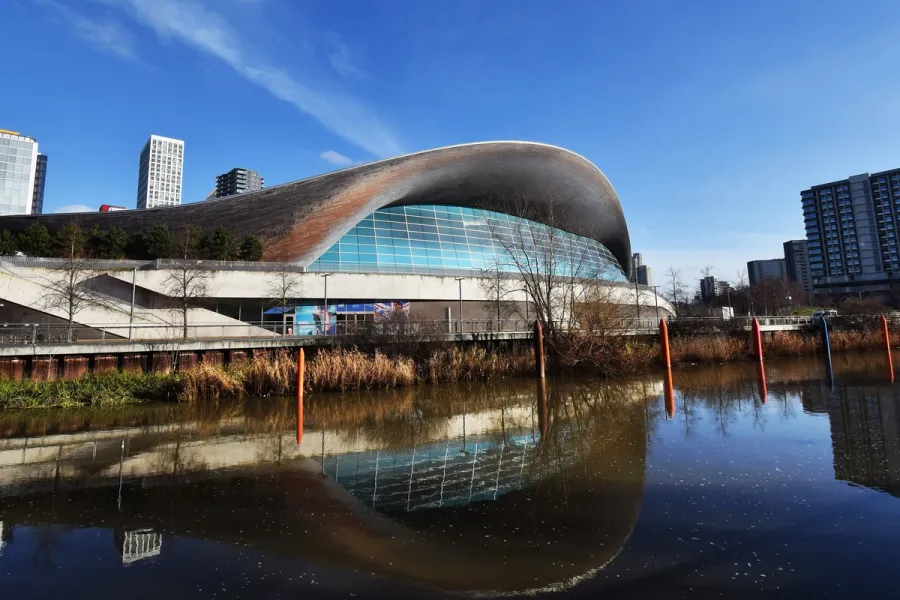
Parametric design defines relationships among adjustable parameters to generate responsive, optimisable, and varied design outcomes.
Read it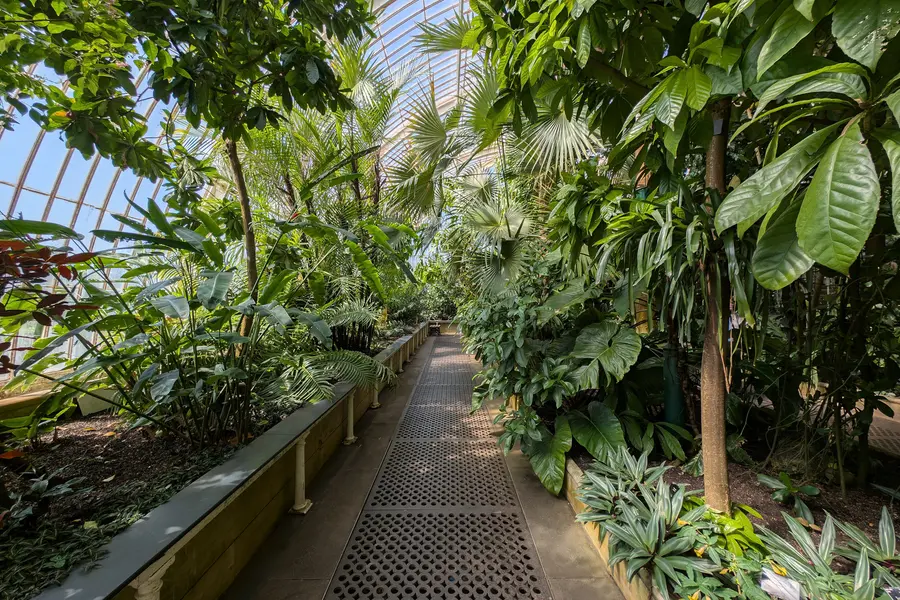
Biophilic design is the practice of bringing patterns of the natural world into architecture, interiors, and digital products: daylight, water, plants, natural materials, and spatial variety, because human beings evolved among those patterns and still respond to them.
Read it
Sacred geometry treats certain geometric forms and proportions, among them the golden ratio, the Platonic solids, and the Flower of Life, as evidence of a divine or cosmic order laid over mathematics that is otherwise plain and checkable.
Read it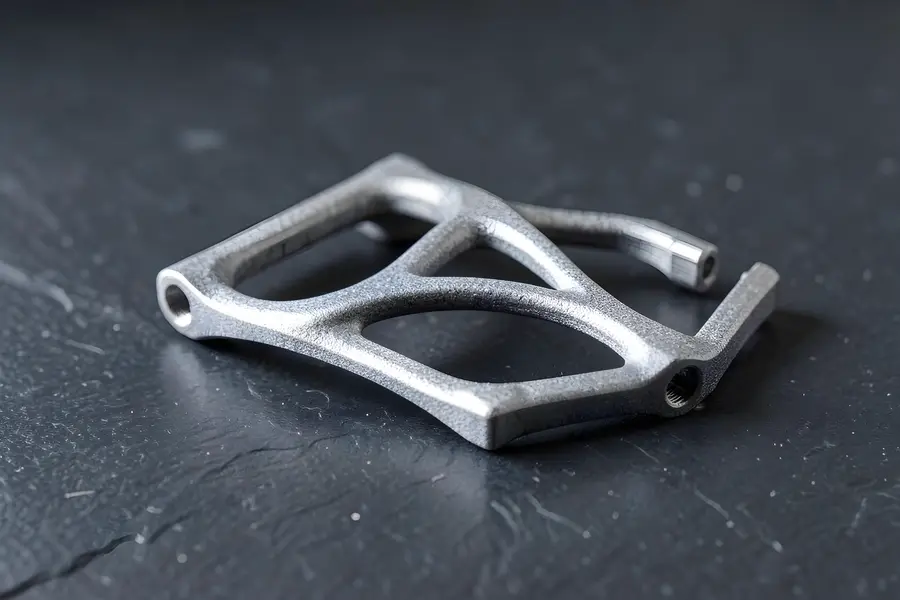
Generative design systems set parameters, constraints, and goals, then let an algorithm search the space of possible solutions instead of drawing one outcome by hand.
Read it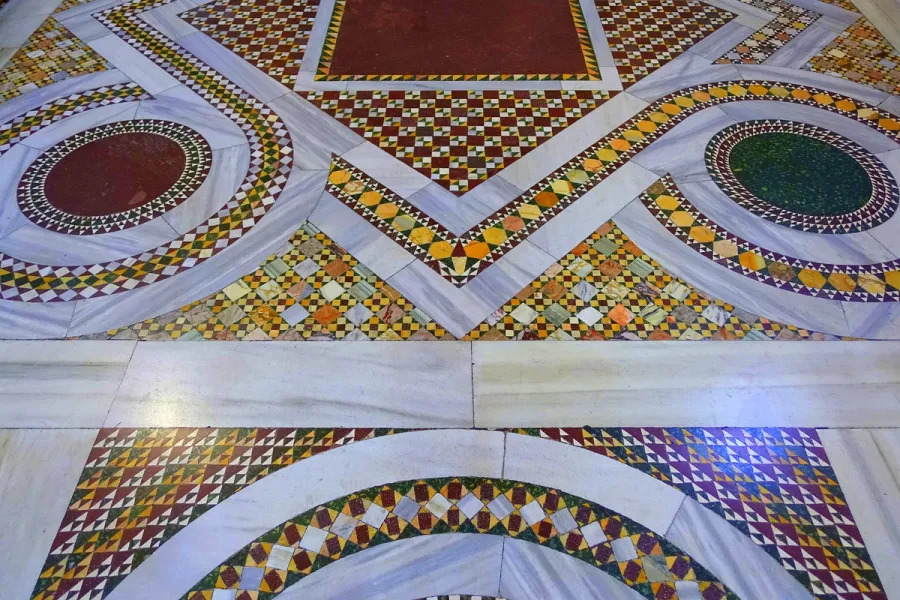
Tessellation is the covering of a plane with shapes that meet edge to edge, with no gaps and no overlaps, and it follows a small, provable set of mathematical rules rather than taste.
Read it